

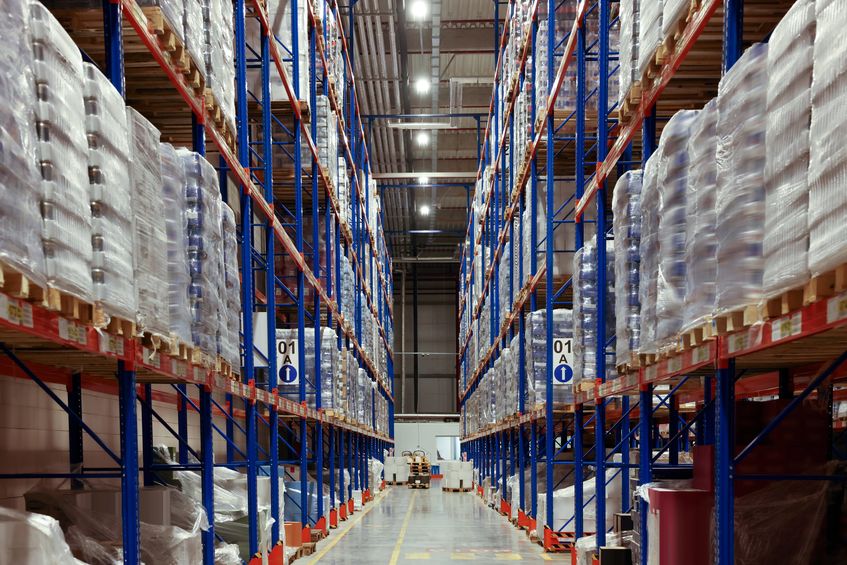
Warehousing needs rarely remain the same throughout the life of a business. Changes in customer demand, seasonal fluctuations, new product launches, and expansion into new markets can all affect how much space a company requires. Thankfully, flexible warehousing solutions allow businesses to adapt to these changes without being restricted by warehouse arrangements that no longer fit their needs.
Adapt to Changes in Inventory and Demand
Inventory levels can fluctuate significantly throughout the year. A retailer may require additional storage space before the holiday season, while a manufacturer may need temporary capacity to accommodate increased production. Other businesses may experience unexpected growth that quickly makes their existing warehouse space insufficient.
Flexible warehousing gives companies the ability to adjust their storage capacity as their circumstances change. Rather than maintaining excess space throughout the year or scrambling to find additional capacity when demand increases, businesses can pursue warehouse space that matches their current requirements.
This flexibility can be particularly valuable for companies with seasonal products or unpredictable inventory volumes. As such, it’s smart to have access to appropriate space when it is needed can help keep products organized and operations running efficiently.
Support Business Growth in New Markets
Expanding into a new geographic market can create logistical challenges. Businesses need to determine where inventory should be stored to serve customers efficiently without making an unnecessary long-term commitment before they understand demand in the region. Fortunately, working with a third-party warehousing company can make it easier to identify strategically located facilities. Businesses can establish inventory closer to customers, distributors, or transportation networks while maintaining the flexibility to adjust their warehousing strategy as the market develops.
Control Costs While Maintaining Efficiency
Flexible warehousing can also help companies manage operating costs. Maintaining a dedicated warehouse may involve expenses related to the facility, labor, equipment, utilities, maintenance, and other overhead. When storage requirements fluctuate, some of those resources may go unused.
However, working with flexible third-party warehousing services can allow businesses to better align warehousing expenses with their actual needs while benefiting from established facilities and resources. This can free companies to concentrate more attention on their core operations rather than managing warehouse logistics themselves.
To learn more about the benefits of working with a flexible warehousing parter, contact us today.


